The topic No water restrictions for Point Roberts, despite receiving water from Canada is drawing steady attention: readers, analysts, and industry watchers are all tracking how the story may unfold in the days ahead.
This is taking place in a fast-moving context — product cycles, platform shifts, and competitive moves can reshape the outlook quickly, so the details below are worth a careful read.
What follows is a clear walkthrough of the main facts and angles you need to make sense of the news.
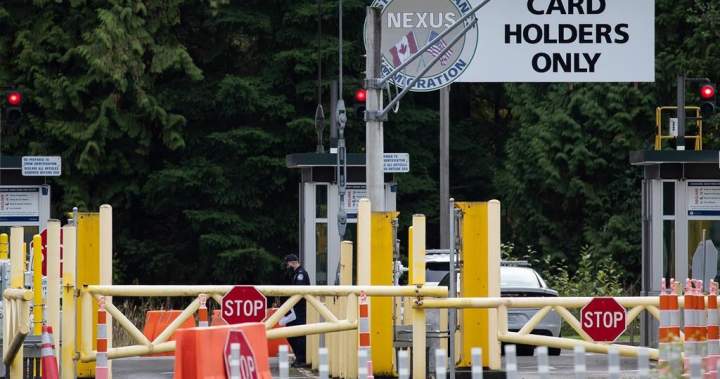
Metro Vancouver remains under Stage 3 water restrictions, but a small U.S. pene-exclave that has access to the same water is not under any restrictions.
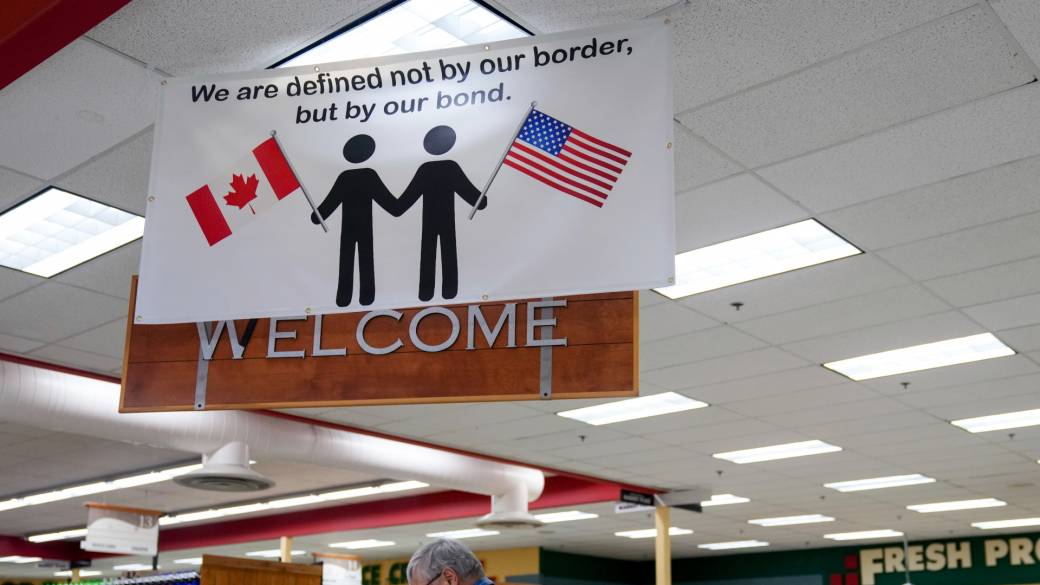
Point Roberts receives water from Canada under a 50-year agreement that was signed in 1987.
The contract between the Greater Vancouver Water District (GVWD) and Point Roberts Water District provides the community with 700,000 imperial gallons a day for about $800,000 annually.
It is the same rate that is charged to Canadians, but the difference is that the contract is in Canadian dollars.
“If you could go back in time, you’d shake your head at the contract that was signed, because you need to be able to revisit these things regularly,” Port Coquitlam Mayor Brad West said.
“From where I sit, we should be taking care of our residents. I’m not really interested in providing our water to the U.S. We have to ensure we’re looking after the people who are paying the bills in our region, full stop.”
Metro Vancouver says water usage in Point Roberts this May was .07 per cent of daily usage for the region, noting that “as Point Roberts is not a member of the GVWD, it is not subject to the restrictions outlined in Metro Vancouver’s drinking water conservation plan.”
Point Roberts has suffered since U.S. President Donald Trump launched a trade war with Canada.
The community of about 1,100 people is located just south of Tsawwassen, however, it relies on British Columbia for much of its commerce.
The lack of Canadian visitors has forced long-term businesses to close and has offered special exchange rates to lure shoppers across the border.