The topic An army of ‘very hungry caterpillars’ invades a popular Alberta campground is drawing steady attention: readers, analysts, and industry watchers are all tracking how the story may unfold in the days ahead.
This is taking place in a fast-moving context — product cycles, platform shifts, and competitive moves can reshape the outlook quickly, so the details below are worth a careful read.
What follows is a clear walkthrough of the main facts and angles you need to make sense of the news.
Campers at Pigeon Lake Provincial Park, located about an hour southwest of Edmonton, are dealing with an influx of visitors this week.
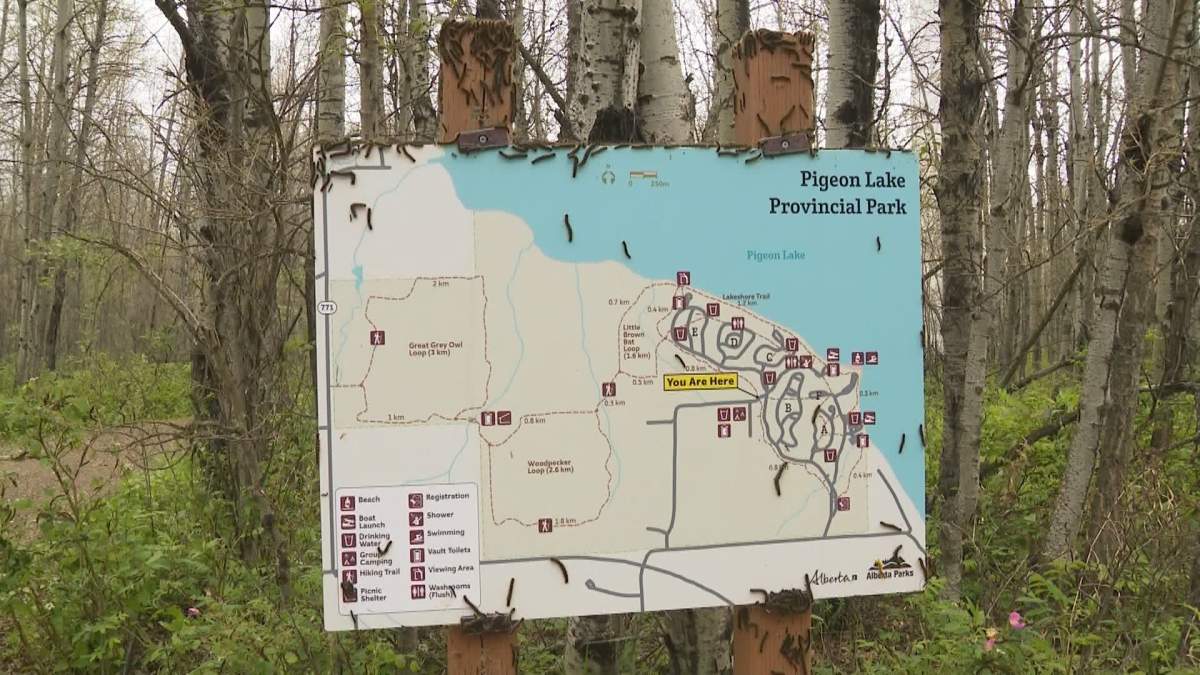
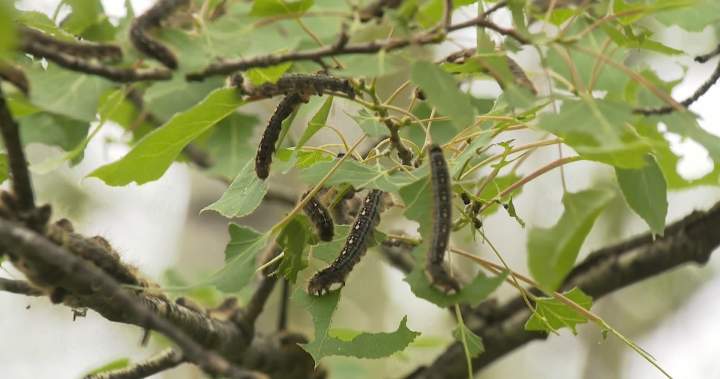
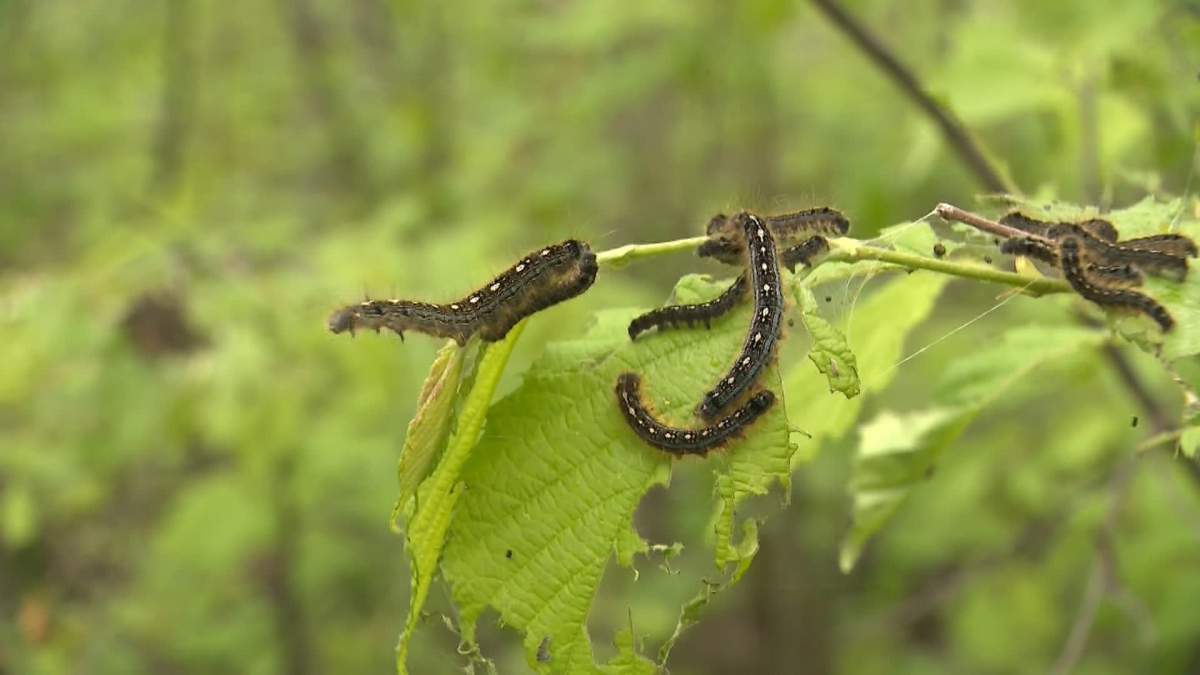
A huge number of forest tent caterpillars have invaded the campground, munching on leaves as they go.
The furry visitors are everywhere — on picnic tables, in fire pits and on the trees, stripping some branches bare.
“They’re not bad if there’s a few of them but anything in large amount of numbers is a little eerie,” said camper Meghan Bodker.
“We’ve been doing our eating inside the trailer,” added camper Robin King.
Alberta Parks told Global News that it’s not an infestation, it’s a seasonal guest experiencing a cyclical boom that happens every 10-12 years.
They have a life cycle of four to six weeks before they build cocoons, or tents, and eventually become moths.
The “very hungry caterpillars” are native to Alberta and provide an abundant food source for birds and other wildlife.
The campground host at Pigeon Lake said he’s getting complaints about them, but they’re mainly just a nuisance.