The topic Rescuers scramble to find Venezuela earthquake survivors. And, SCOTUS rules on asylum is drawing steady attention: readers, analysts, and industry watchers are all tracking how the story may unfold in the days ahead.
This is taking place in a fast-moving context — product cycles, platform shifts, and competitive moves can reshape the outlook quickly, so the details below are worth a careful read.
What follows is a clear walkthrough of the main facts and angles you need to make sense of the news.
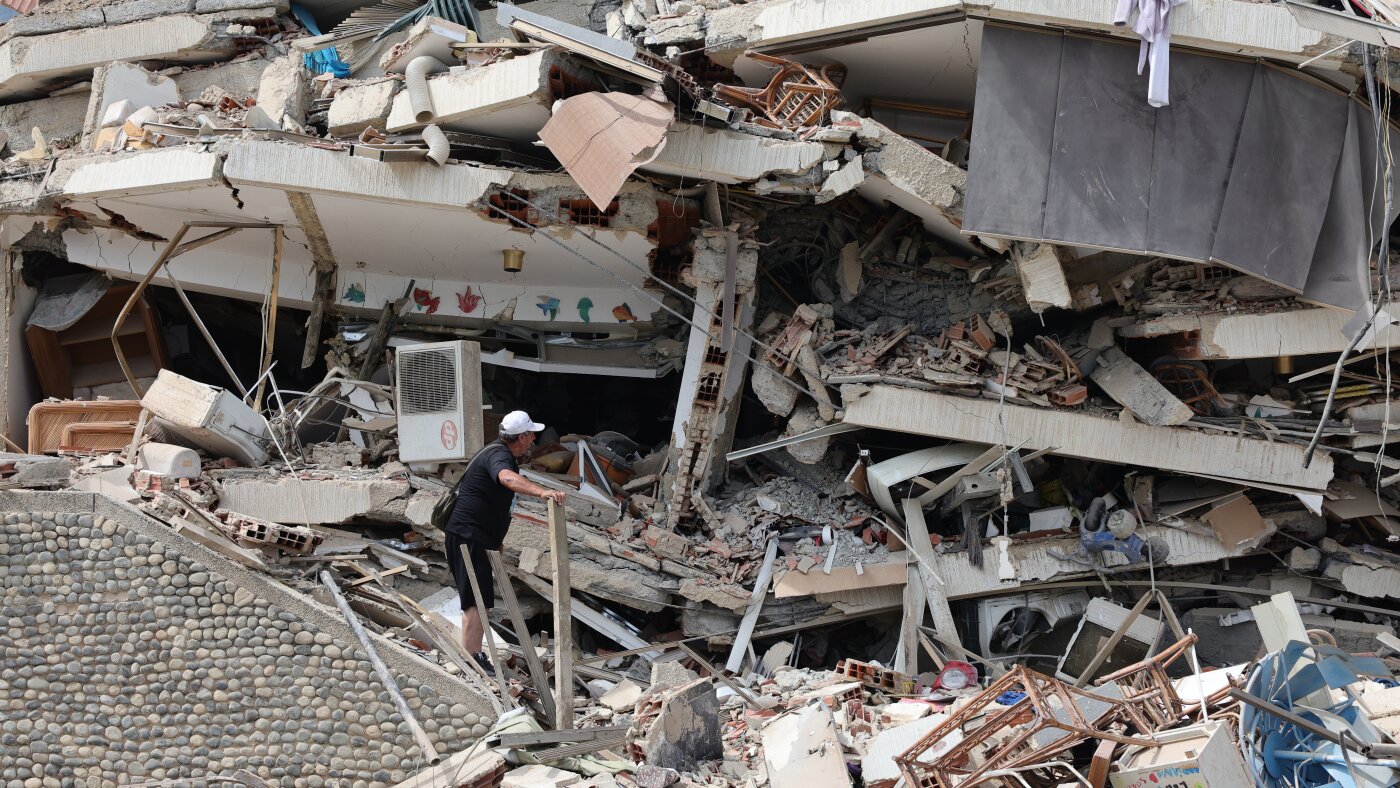
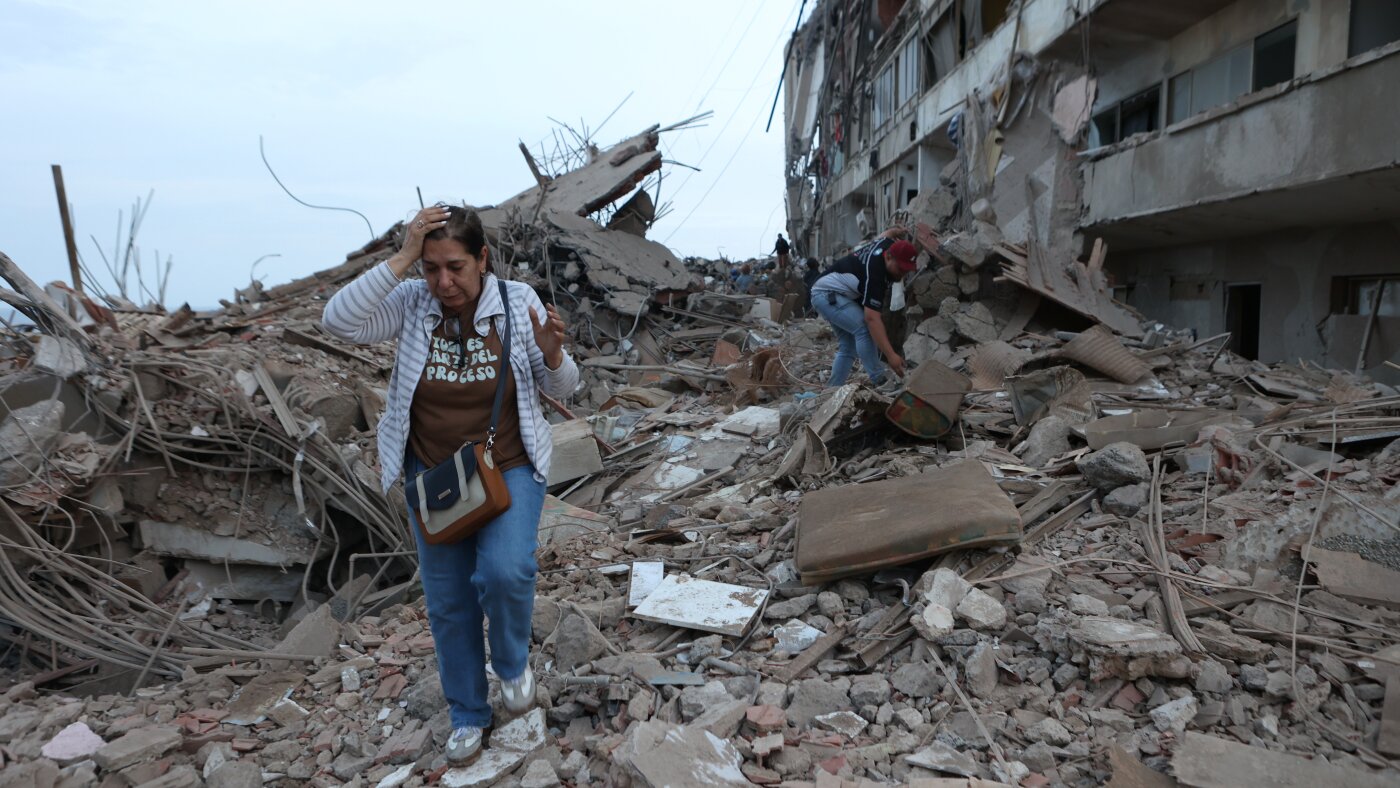
Rescuers are continuing their search through rubble for thousands of people who are still missing in Venezuela after two devastating earthquakes struck on Wednesday night. The Venezuelan government says that at least 235 people are confirmed dead and thousands have been injured. The quakes struck the capital city of Caracas and surrounding areas, resulting in widespread destruction and overwhelming local response efforts. Officials warn that the death toll is likely to rise as the search efforts continue. The last earthquake of comparable magnitude to hit Caracas happened in 1967, when more than 200 people were killed by a magnitude 6.7 quake. Wednesday’s quakes measured at magnitudes of 7.2 and 7.5.
Residents walk among the rubble of building damaged in earthquakes the previous day in Catia La Mar, Venezuela Pedro Mattey/AP hide caption
The U.S. Supreme Court yesterday gave the Trump administration a powerful tool that could make it more challenging for asylum seekers to enter the United States. In a 6-3 vote, the high court ruled that federal law permits the government to prevent asylum seekers from physically setting foot into the country, effectively blocking them from applying for asylum. Asylum is a form of legal protection granted to individuals fleeing persecution in their home countries, provided they meet certain criteria. Another decision allows the administration to proceed with revoking temporary legal status for hundreds of thousands of immigrants.
President Trump hosted farmers in the White House Rose Garden last night. During the event, he discussed a few policy proposals, including a request for $11 billion in farm aid. If Congress approves this funding, it will be in addition to the $12 billion provided earlier this year.
Former employees of the National Oceanic and Atmospheric Administration (NOAA) have launched a new website, Climate.us, to fill the void left when the Trump administration last year shut down a government-run climate information site. NOAA is the government’s lead scientific agency for climate, weather and ocean monitoring. These former employees worked on Climate.gov until they were laid off last year as part of the Department of Government Efficiency (DOGE) cutbacks. Nearly 1 million users visited Climate.gov each month, according to the data 2021 data. Though the data is still technically accessible on government servers, it is difficult to find. Rebecca Lindsey, a former Climate.gov program director, says the information is “too important” and should “remain in a protected place.”
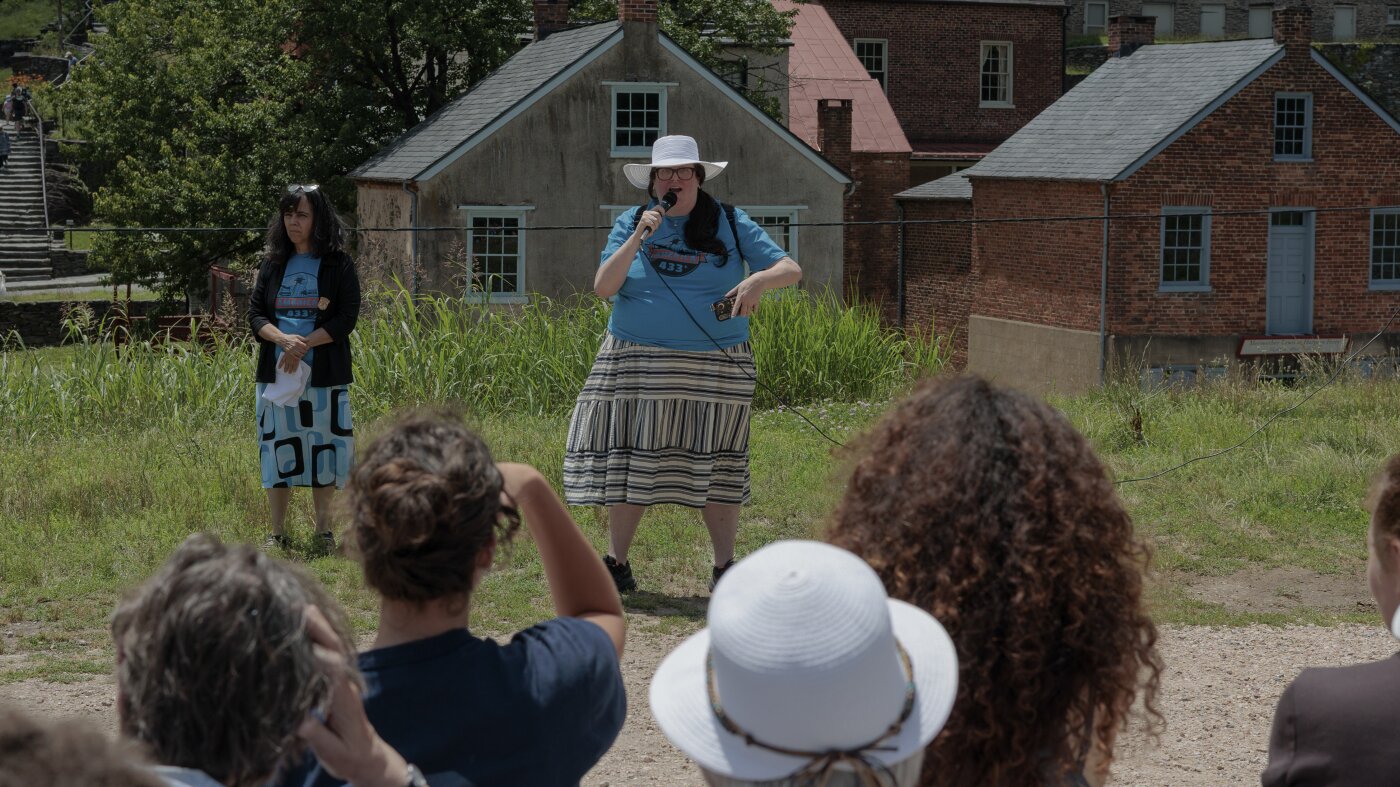
Former Park Ranger Melissa Dalley, 49, speaks during the America 433 pop up event at Harpers Ferry National Park on June 19. KT Kanazawich for NPR hide caption
As the U.S. gears up to celebrate its 250th anniversary, former national park rangers are actively hosting teach-ins and sharing history that the Trump administration sought to erase from federal land. Dozens of exhibits were removed after Trump signed an executive order aimed at “restoring truth and sanity to American history,” a move that led to lawsuits and protests. Among those pushing back is former National Park Ranger Elizabeth Kerwin, who helped organize under the banner “Resistance Rangers.” She co-founded an education coalition called America 433+, named after the 433 sites that form the National Park system. This summer, advocates and former federal workers are working to redefine the message of the country’s anniversary by hosting protests, teach-ins, and other events that honor the nation’s diversity and complex history. Take a look at how they are taking action.
Check out what NPR is watching, reading and listening to this weekend:
🍿 Movies: This Pride month, teen movies like She’s the He, Girls Like Girls and Leviticus are all flipping tropes by centering queer characters.
📺 TV: The fifth and final season of The Bear premiered yesterday. NPR’s Linda Holmes has seen the first seven episodes and says that while this season feels less daring, the small wins mean more.
🎵 Music: Albums from T.I., MICO, Girl Trouble and many more released on streaming platforms today. Dive into singles from each new album with these New Music Friday playlists.
🎮 Gaming: The Star Fox remake features high-effort visuals and an entertaining battle mode, but its campaign feels outdated, NPR’s James Perkins Mastromarino says.
❓ Quiz: From Cristiano Ronaldo breaking a record at the World Cup to the Reflecting Pool facing challenges, test your knowledge of this week’s news.
Norman Rockwell’s 1943 series So You Want to See the President! Click to enlarge. Bruce M. White/The White House Historical Association hide caption
Norman Rockwell’s 1943 series So You Want to See the President! Click to enlarge.