The topic The Curator: Your ultimate guide to at-home laser hair removal is drawing steady attention: readers, analysts, and industry watchers are all tracking how the story may unfold in the days ahead.
This is taking place in a fast-moving context — product cycles, platform shifts, and competitive moves can reshape the outlook quickly, so the details below are worth a careful read.
What follows is a clear walkthrough of the main facts and angles you need to make sense of the news.
The Curator independently decides what topics and products we feature. When you purchase an item through our links, we may earn a commission. Promotions and products are subject to availability and retailer terms.
Waxing appointments? Razor runs? Think again. For your smoothest summer yet, staying in might be the move. After dominating TikTok feeds and beauty forums alike, at-home laser hair removal has entered the chat. The promise? Long-term hair reduction, fewer ingrowns and silky skin sans the pricey clinic appointments.
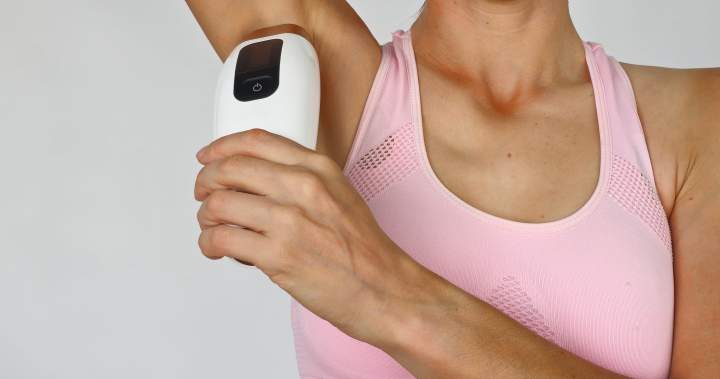
Once reserved for derm offices and med-spas, laser hair removal is now available in sleek, user-friendly devices designed for couch-side convenience. If you’ve been laser-curious but slightly intimidated, this is your ultimate guide. From how it works (and who it works best on) to what to avoid and which devices are worth investing in–think Tria, Ulike and Braun–here’s everything you need to know before starting your at-home laser journey.
Most at-home devices use IPL (Intense Pulsed Light) technologies rather than true medical-grade lasers. IPL emits broad-spectrum light that targets the pigment (melanin) in the hair. The light converts to heat, damaging the hair follicle at the root and slowing future growth.
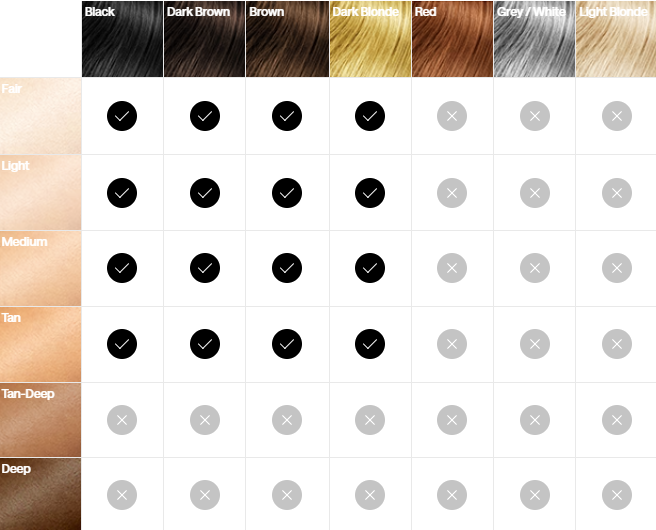
Translation? The darker the hair, the better the results. These devices rely on contrast between your skin tone and hair colour to effectively “see” and target the follicle.
Here’s the honest truth: at-home laser isn’t one-size-fits-all. This chart summarizes which hair and skin typees at-home laser will and will not work as effectively on:
That said, technologies has come a long way. Some newer devices offer broader skin tone compatibility with built-in skin sensors that adjust intensity levels. Always check the brand’s Fitzpatrick scale chart before purchasing. If you have very deep skin tones or very light hair, professional laser treatments may be a safer and more effective route.
If smooth skin by summer is the goal, the months leading up to it are ideal for starting treatments. Here’s why:
Fall, winter and early spring are ideal because skin is usually at its natural (non-tanned) tone, making treatments safer and more effective. Think of it as pre-season prep for summer.
Patience and consistency are part of the process–skipping sessions can delay results, so consistency is key.
Weeks 1-4: Visible change may be minimal at first. Hair grows in cycles, and IPL only affects hairs in the active growth phase.
Weeks 4-8: Hair typically grows back slower and finer. Some areas may already appear smoother with patchy regrowth.
Weeks 8-12: Many users experience noticeable reduction in hair growth. After this phase, treatments transition into maintenance mode (every 4-8 weeks, depending on regrowth).
At-home devices are designed to be gentler than in-office treatments. Most users describe the sensation as a quick snap of warmth—similar to a light elastic band flick. More sensitive areas, such as the bikini line or ankles, may feel more intense. A soothing aloe gel can help calm warmth or redness post-treatment.
Read on for our favourite at-home hair removal products to add to your routine. *Please remember to do a patch test on your skin before using any laser treatments.