The topic War in Iran costs $29 billion so far. And, students are finally improving in math is drawing steady attention: readers, analysts, and industry watchers are all tracking how the story may unfold in the days ahead.
This is taking place in a fast-moving context — product cycles, platform shifts, and competitive moves can reshape the outlook quickly, so the details below are worth a careful read.
What follows is a clear walkthrough of the main facts and angles you need to make sense of the news.
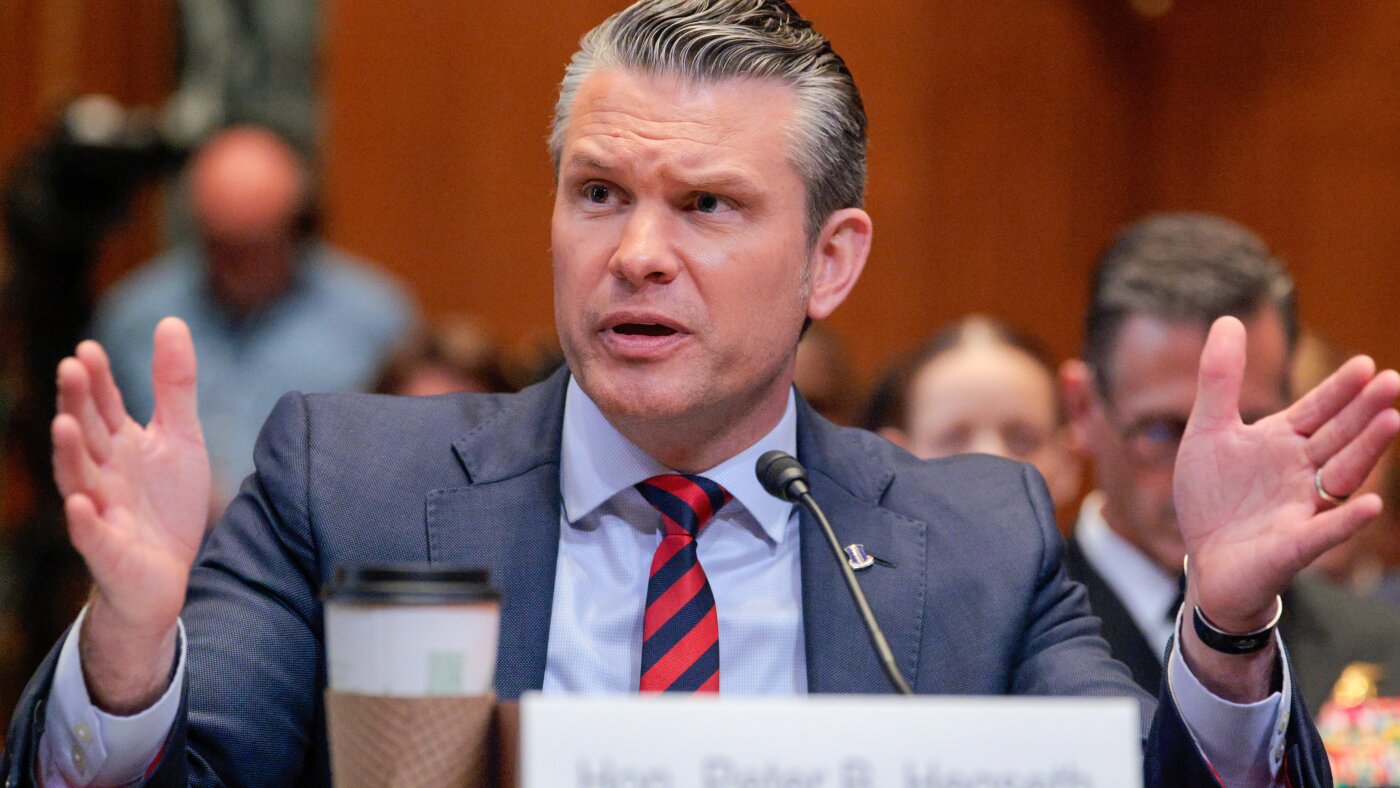
The Pentagon now estimates that the cost of the war with Iran is approximately $29 billion. Top defense officials answered questions from Congress yesterday. That price tag, up from the estimated $25 billion two weeks ago, was one of the specifics mentioned during the day’s testimony.
Defense Secretary Pete Hegseth testifies before the Senate Appropriations Committee on the FY2027 budget request in the Dirksen Senate Office Building on Capitol Hill on May 12, 2026, in Washington, D.C.
Chip Somodevilla/Getty Images
hide caption
Dr. Marty Makary resigned as commissioner of the Food and Drug Administration yesterday, after 13 months marked by turmoil. During his time in the role, he upset the Make America Healthy Again movement for not advancing its agenda fast enough. People looking for a more traditional approach to FDA regulation, as they were accustomed to before President Trump was elected to a second term, were also displeased by Makary. Trump posted that the acting head of the FDA would be Kyle Diamantas, who had been deputy commissioner for food.
The decline in math and reading scores for students across the U.S. during the pandemic was a continuation of a “learning recession” that started years before COVID-19’s arrival. That is according to the data the Education Scorecard, an annual deep dive into student data from The Educational Opportunity Project at Stanford University and Harvard University’s Center for Education Policy Research. The new Scorecard, released today and in its fourth year, had several takeaways, including that most states are finally making gains in math. While most states have yet to make gains in reading, those that have all made legislative changes to how it’s taught in their schools.
Legal according to experts Trump’s pardoning of at least 15 former elected officials and co-conspirators with corruption offenses in the last year is undermining the fight against public corruption. Another way the administration is undermining the fight, they say, is by dismantling the Justice Department’s Public Integrity Section, which was created after Watergate to investigate and prosecute public corruption and election crimes. Richard Briffault, a professor at Columbia Law School, says that these actions collectively send a message that the administration doesn’t think corruption should be treated seriously.
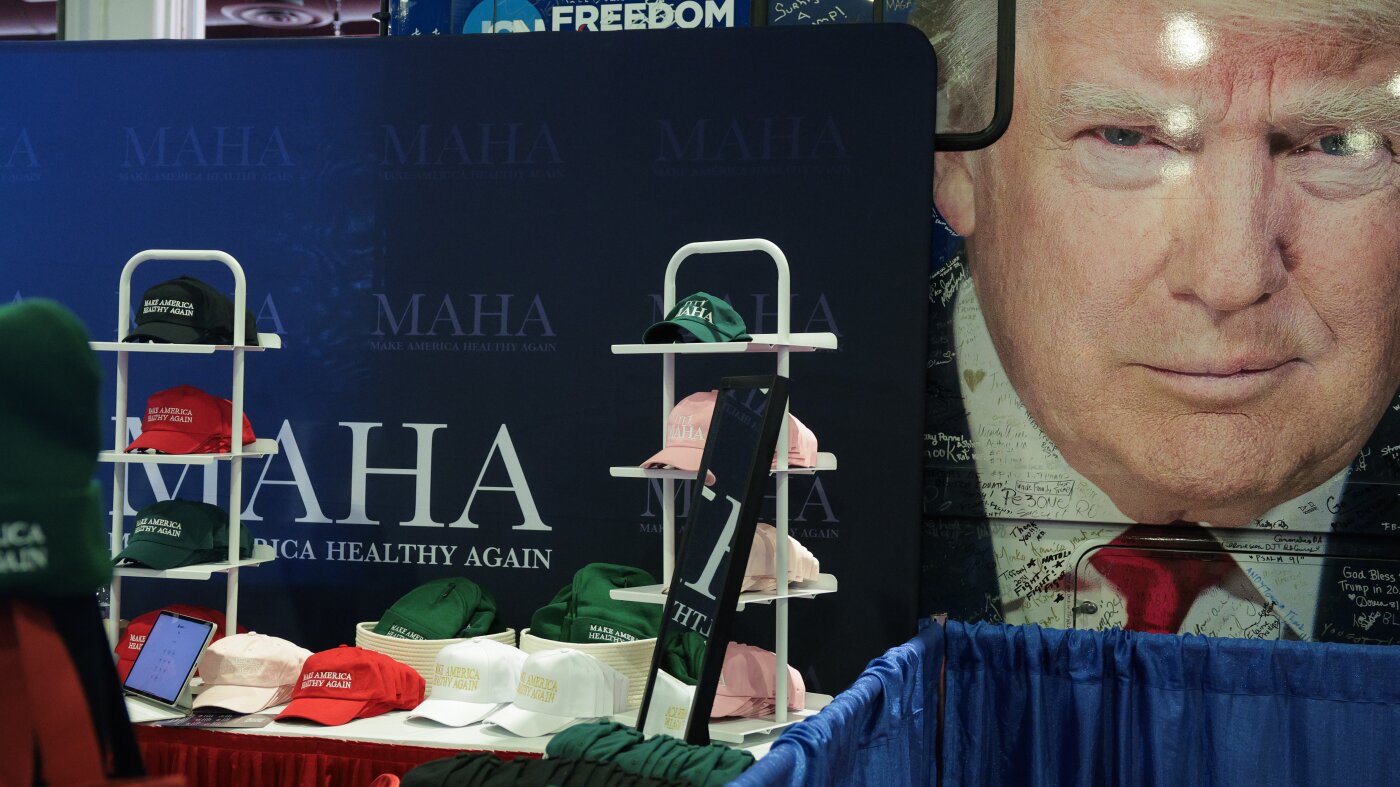
“Make America Healthy Again” merchandise is sold in front of a bus with President Trump’s image during the Conservative Political Action Conference at the Gaylord National Resort & Convention Center on Feb. 21, 2025, in Oxon Hill, Md. The Trump administration’s approach to some issues dear to MAHA threatens to drive a wedge within the movement’s ranks.
Kayla Bartkowski/Getty Images
hide caption
A fight over a commonly used weed killer is dividing alliances between the Republican Party and Make America Healthy Again voters. The Trump administration says glyphosate is essential to America’s farming and food supply. In February, the president issued an executive order to promote increased production of the chemical, which is commonly known as Roundup. MAHA activists have decried it as poison. The group includes health and wellness influencers, vaccine skeptics, anti-pesticide advocates and parents concerned about toxic exposures. They often advocate for fewer food additives and chemicals in the food supply, which requires stricter regulations on the food and chemical industries. Those goals conflict with traditional Republican priorities such as deregulation, limited government and reducing federal spending.
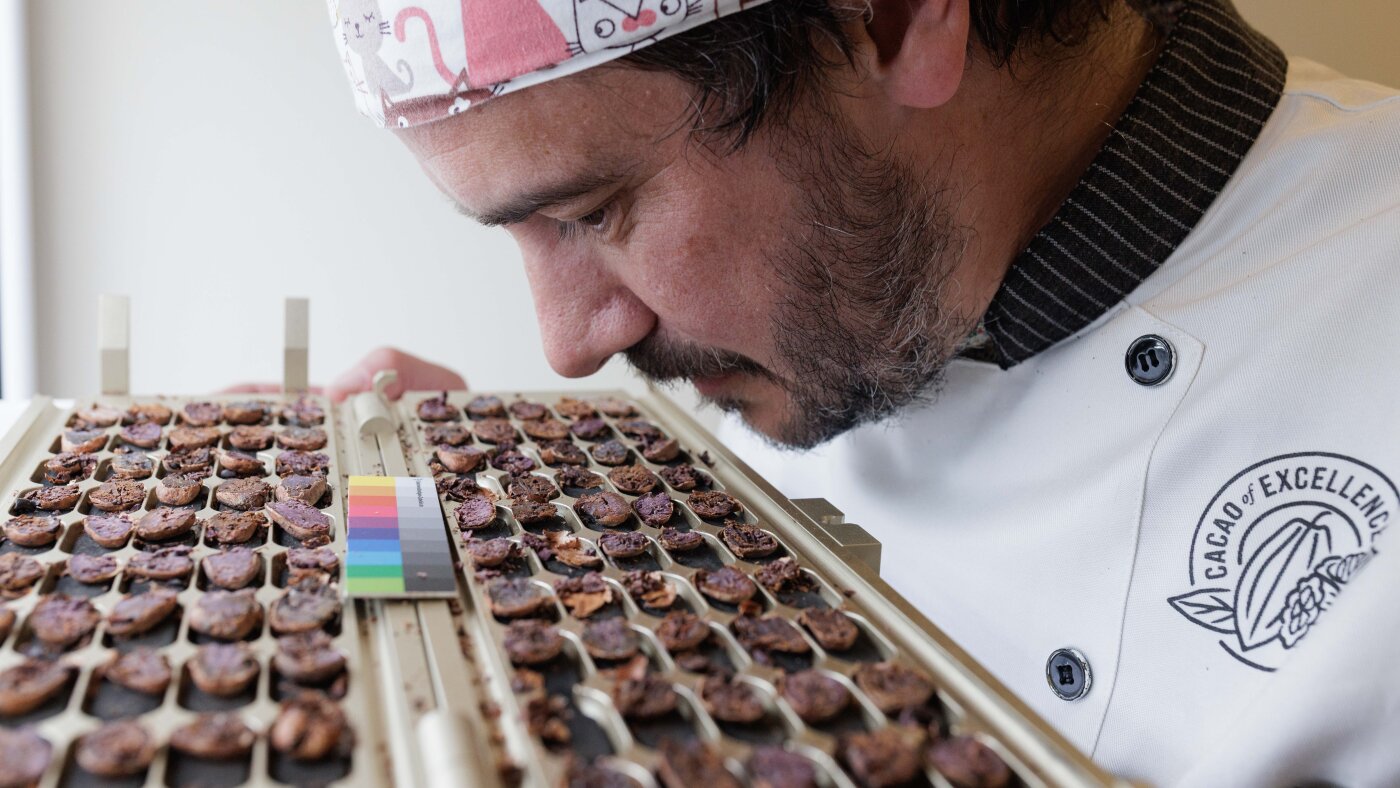
ulien Simonis, Programme Manager for Cacao of Excellence, smells and meticulously inspects halved cocoa beans during a physical quality evaluation at the laboratory in Perugia. This sensory and visual assessment allows for the immediate verification of fermentation levels and the identification of aromatic potential or internal defects in the samples
Valerio Muscella for NPR
hide caption
Unlike with wine and its sommeliers or coffee with its Q graders, there hasn’t been a standard way to compare the array of cacao beans produced on farms across the tropics until recently. In 2009, the Alliance of Bioversity International and CIAT, a sustainable agriculture nonprofit based in Rome, launched a program called Cacao of Excellence. They enlisted the help of Julien Simonis, a chocolate scientist who now serves as program manager, to develop a standardized method of preparing and evaluating cacao. After years of work, the team now has a process they stand behind, Simonis says that thousands of producers, traders and stakeholders worldwide use it daily. “Harmonizing the way of talking about a food product,” Simonis explains, allows buyers and sellers to review, discuss and appreciate the differences among various cacao products. The process could also encourage consumers to pay more for higher-quality chocolate, and some of that revenue could be returned to the farmers. These photos show how the cacao is processed at a lab within the Chocolate Experience Museum in Perugia, about 100 miles north of Rome.
Duffy says he and his family filmed “The Great American Road Trip” in brief windows, like weekends and school vacations, during a seven-month period.
Department of Transportation / Screenshot by NPR
hide caption