The topic Greetings from a Seoul museum, where Buddhist masterpieces offer calm away from city… is drawing steady attention: readers, analysts, and industry watchers are all tracking how the story may unfold in the days ahead.
This is taking place in a fast-moving context — product cycles, platform shifts, and competitive moves can reshape the outlook quickly, so the details below are worth a careful read.
What follows is a clear walkthrough of the main facts and angles you need to make sense of the news.
The National Museum of Korea is a short walk from my home, set among bamboo groves and pagodas.
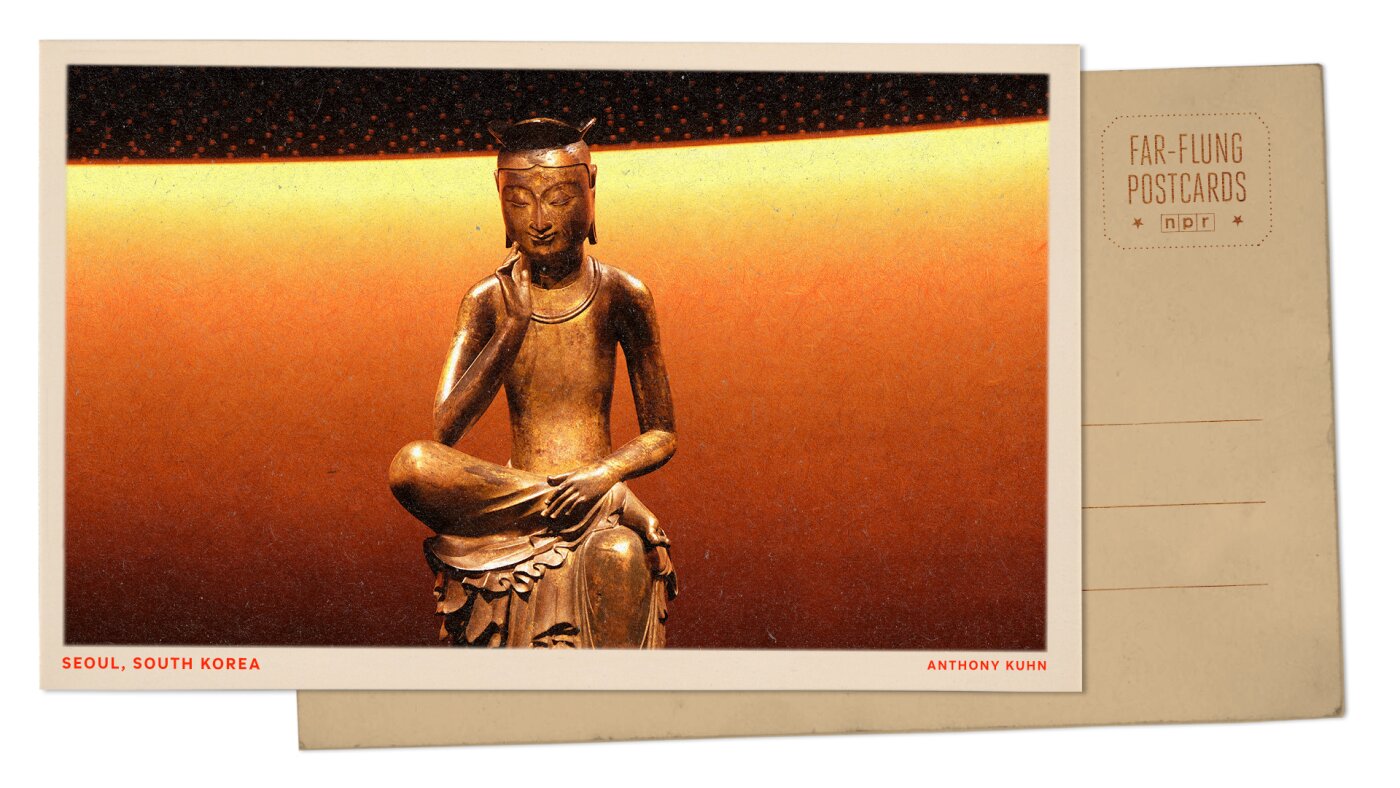
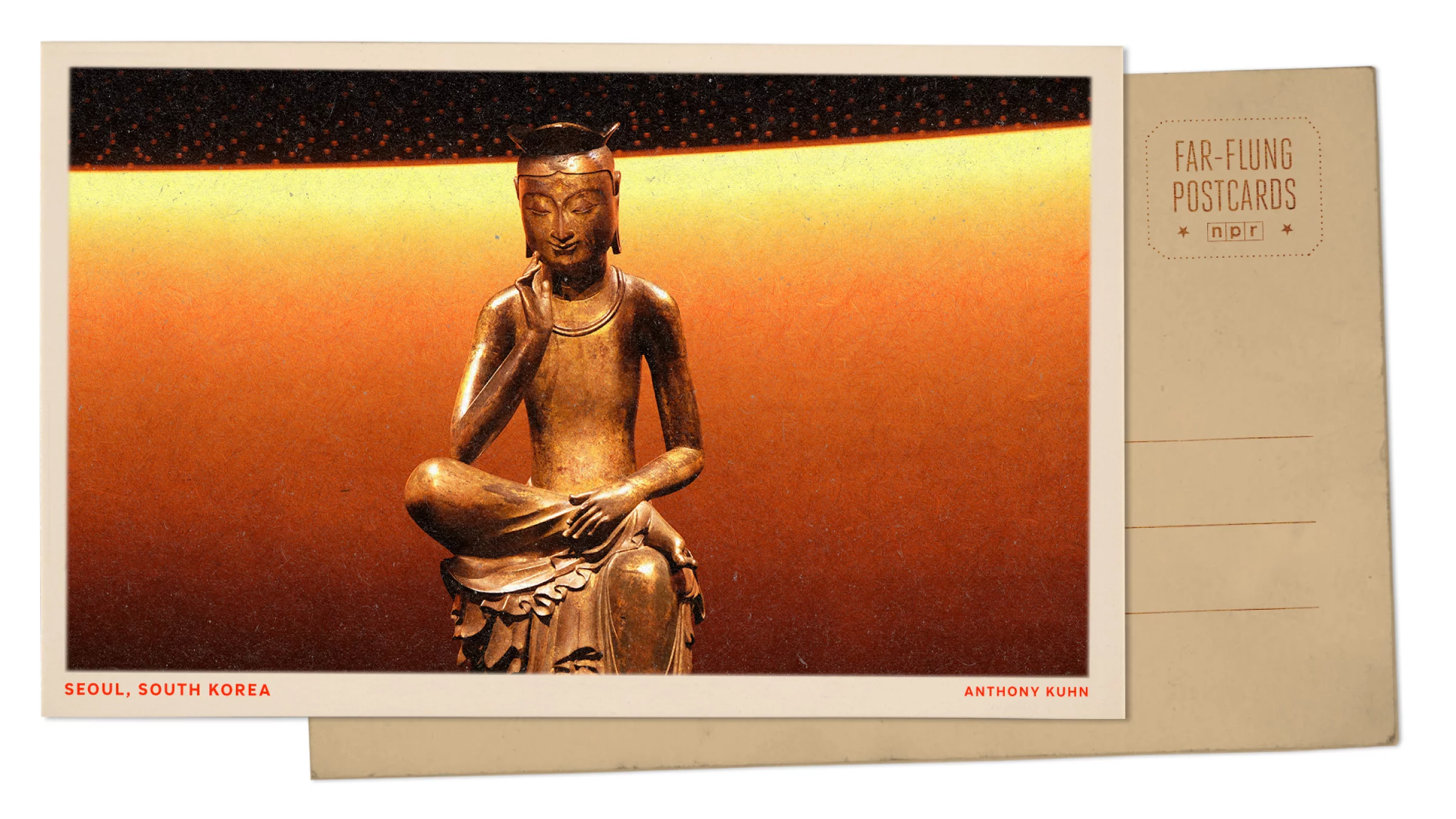
Inside, the Room of Quiet Contemplation houses two of the nation’s most treasured artworks. This gilt-bronze bodhisattva statue from the early 7th century sits along with one other bodhisattva dating to the 6th century. Both are placed on a round platform in the dimly lit room. Ambient sounds suggesting deep outer — or inner — space play in a loop.
The statues’ graceful outlines and cascading folds of clothes all radiate elegant simplicity. Their eyes are half shut, mouths in a faint smile, with two fingers resting on their right cheeks. Their right legs are folded, while their left legs descend toward the floor. Their eyes evoke deep contemplation of the transience of life. The smiles, according to the data experts on Buddhism and Buddhist art, suggest a realization of truth, and the legs represent a transition into action, to liberate all sentient beings.
Visitors can scan a code to hear Blackpink singer Jisoo offer her understanding too: “This Buddhist statue captures the aspirations of people who sought salvation through quiet reflection and enlightenment during a turbulent era filled with change and anxiety. That is why, even to this day, it holds the power to naturally soothe and calm the minds of those who look upon it.”
By harnessing the appeal of South Korean pop culture and innovative digital and physical displays, the museum, according to the data one ranking, became the world’s third-most visited last year, behind only the Louvre in Paris and the Vatican Museums.