The topic Liquids on a plane? New airport scanners make it possible. is drawing steady attention: readers, analysts, and industry watchers are all tracking how the story may unfold in the days ahead.
This is taking place in a fast-moving context — product cycles, platform shifts, and competitive moves can reshape the outlook quickly, so the details below are worth a careful read.
What follows is a clear walkthrough of the main facts and angles you need to make sense of the news.
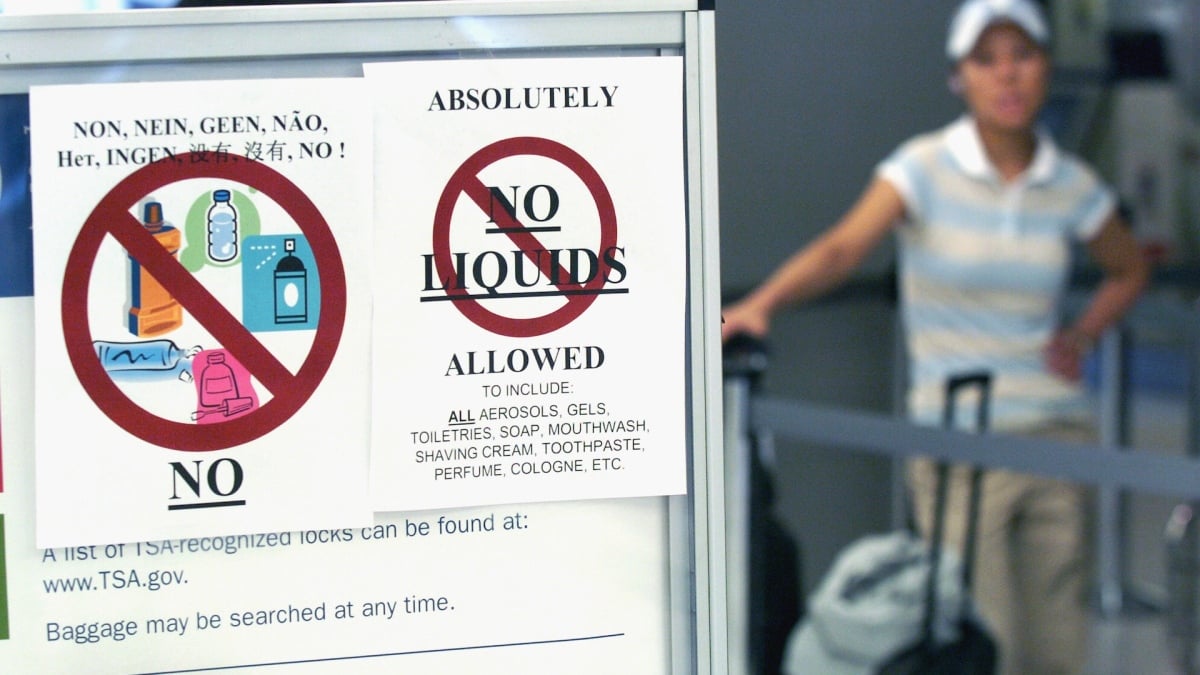
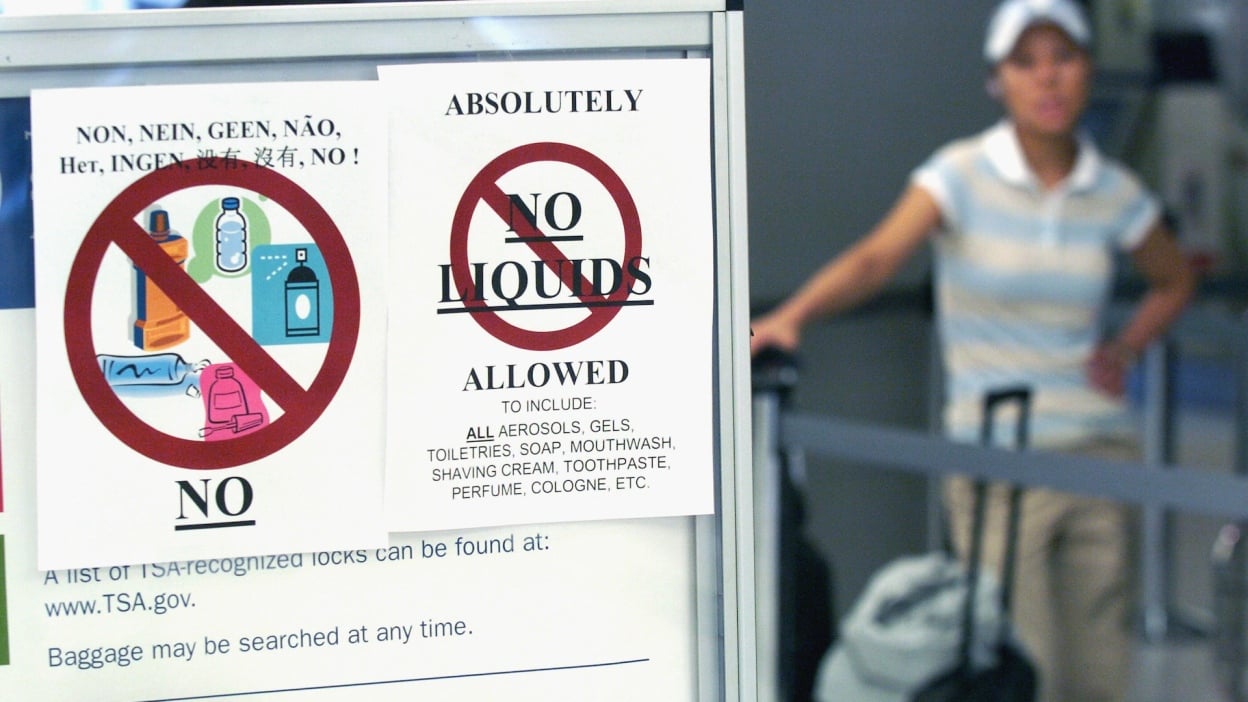
For more than 20 years, air travelers have had to make sure they bring their liquid toiletries in 3 oz. bottles only, then chug their drinks before passing through airport security — a reaction to foiled terrorist plots that involved liquid explosives.

But those days are coming to an end, at least in Europe, where two large airports are installing new 3D Computed Tomography (CT) security scanners that can more accurately detect real threats.
Meanwhile, the U.S.’s Transportation Safety Administration (TSA) is “aggressively” adding the new scanners to airports, according to the data Scientific American, but any change to liquid rules does not appear imminent. Part of the reason for the delay is the patchwork implementation, with only about 255 of the country’s 432 airports adding them.
The TSA estimates that all its airports will be equipped with 3D scanners by 2043.
Back in Europe, Brussels Airport in Belgium is the latest facility to announce the new CT scanners; construction is set to begin next year, and the first implementation in 2028. The technologies will replace 2D X-ray scanners and ultimately screen passengers, via full-body scanners, and carry-on luggage via conveyor belt scanners.
When in place, fliers will be able to transport an unlimited amount of liquids in their carry-ons as long as the individual containers do not exceed 2 liters (about 68 fluid ounces); the EU currently limits liquids to 1 liter in containers no larger than 100 milliliters (about 3.4 fluid ounces) for those passing through 2D scanners. The new rules will apply to more than drinks, as most airports consider toiletries like lotions, toothpaste, and hair gel to be liquids.
The CT scanners’ ability to accurately identify objects through various angles also means travelers can leave their laptops in their carry-on luggage as they pass through security. The scanners use sophisticated algorithms to create high-resolution 3D models of bags, allowing security personnel to rotate objects and more accurately identify them as harmless or worth a closer look.
Brussels Airport officials tout the new scanners as a way to streamline the security process.
“With this new technologies, we will not only continue to ensure safety, but also make security screening even smoother and easier for our passengers. With the new scanners, we will also increase capacity so that we are prepared for any growth in passenger numbers in the coming years,” Arnaud Feist, CEO of Brussels Airport, said in a statement.
Brussels follows London’s Heathrow Airport, which installed the CT scanners earlier this year and is already allowing some fliers to drop the 100 milliliter liquid limit and keep their laptops in their bags.
Neal joined Mashable’s Social Good team in 2024, editing and writing stories about digital culture and its effects on the environment and marginalized communities. He is the former editorial director of The Advocate and Out magazines, has contributed to the Los Angeles Times, Curbed, and Los Angeles magazine, and is a recipient of the Sarah Pettit Memorial Award for LGBTQ Journalist of the Year Award from the National Gay and Lesbian Journalists Association (NLGJA). He lives in Los Angeles with his family.